Pictures Canto 11 - page 1 - 2 - 3 - 4
Chapter 1 - 2 - 3
- 4 - 5 - 6 - 7 - 8

Chapter
1: The
Curse Upon the Yadu Dynasty
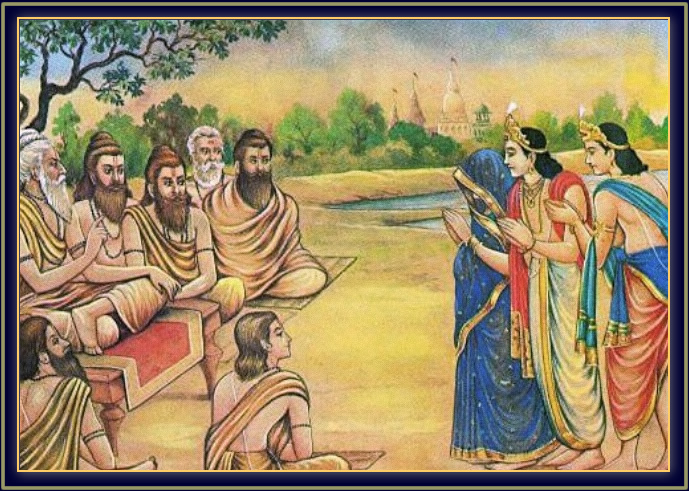
(13-15) [Having
arrived there] they were approached
by young boys of the Yadu
dynasty in a game in
which Sâmba, the son of Jâmbavatî [see also 10.68], had
dressed up in women's clothes. Feigning
humility they took hold of their feet
and impudently asked: 'This black-eyed pregnant
woman would like to ask you something, oh men of
learning, but she is too embarrassed to do it
herself. Can you tell whether she, who is about
to give birth and desires a son, will get one?'
Chapter
2: Mahârâja Nimi Meets
the Nine Yogendras
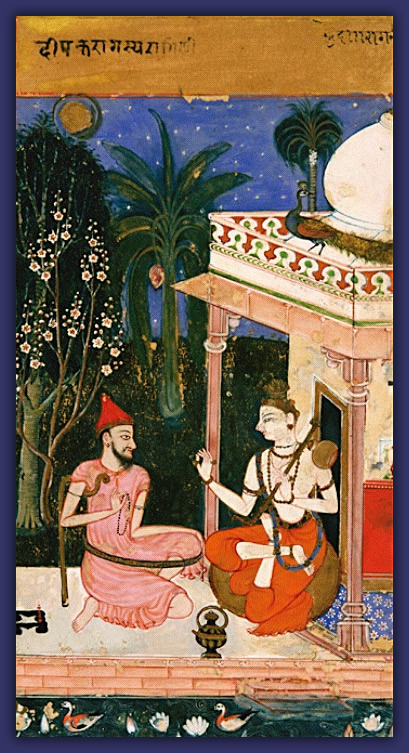
(3) One
day Vasudeva said the
following to the devarishi, who came
over to his house and was respectfully greeted
and worshiped with paraphernalia and a
comfortable seat.
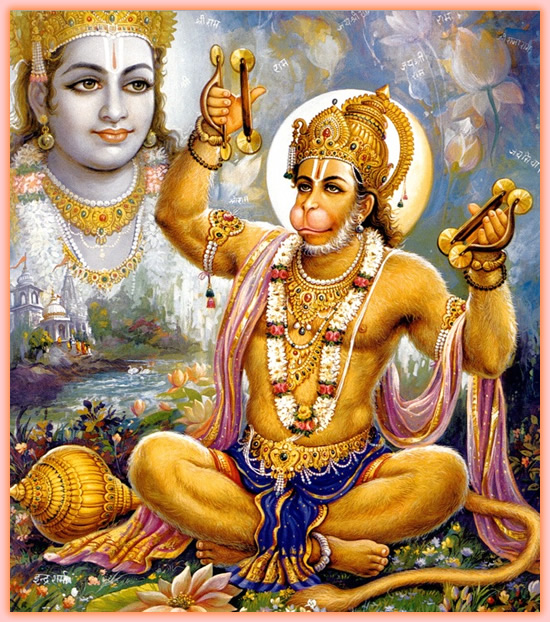
(39) Hearing
about the all-auspicious appearances and
activities of Him with the Wheel in His Hand [see 1.9: 37], of whom the with
them associated names are chanted in this
world, one should, singing without the
material association [of a wife, home and
children], freely and without shame move in
all directions.
Chapter
3:
Liberation from Mâyâ and Karma
Knowing and Worshiping the Lord
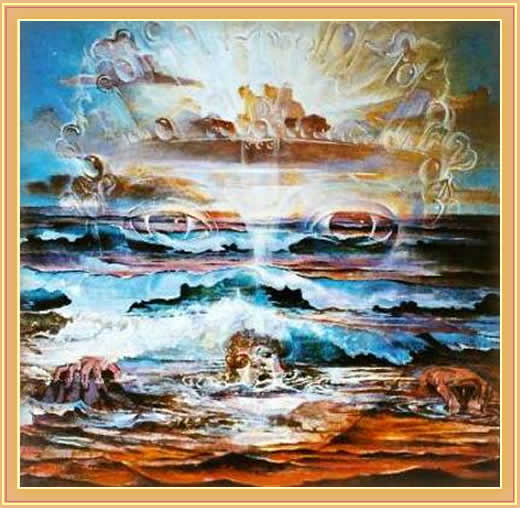
(8) When the dissolution
of the material elements is at hand, [the Lord
in the form of] Time, which has no beginning
or an end, withdraws the manifest
universe, consisting of the gross objects and
subtle modes, back into the not manifest [see also 3.29: 40-45, 3.26: 51].
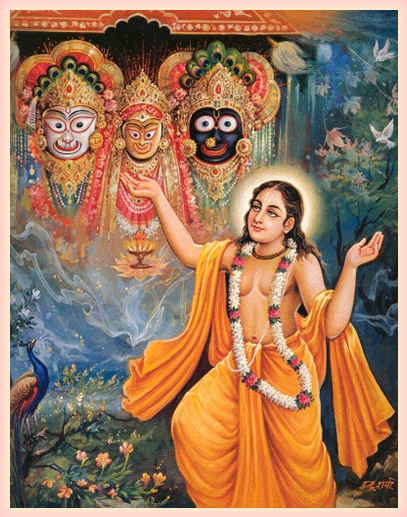
(48) Having
obtained the mercy [the initiation] of the
teacher of example [the âcârya], who
shows him what is handed down by tradition, the
devotee should
worship
the Supreme Personality in the particular form
he prefers [see also B.G. 3: 35, 7: 20].
Chapter
4: The
Activities of Nara-Nârâyana
and the other Avatâras described
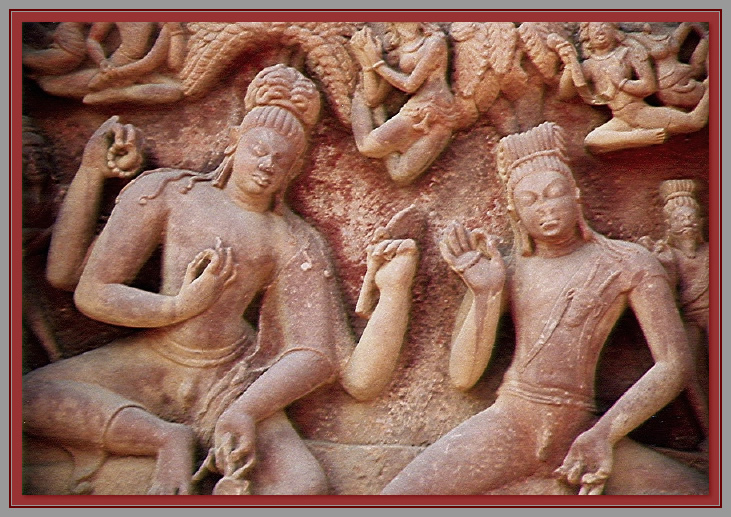
(6) He was
born from Mûrti, the daughter of Daksha and
wife of Dharma [*], as
Nara and Nârâyana, the best of sages perfectly
of peace.
They spoke in favor of performing the duty
that is characterized by a cessation of all
material activities, and even live today being
served by the greatest of sages at Their feet
[see B.G. 9: 27 and also 2.7: 6, 4.1: 49: 57, 5.19: 9].
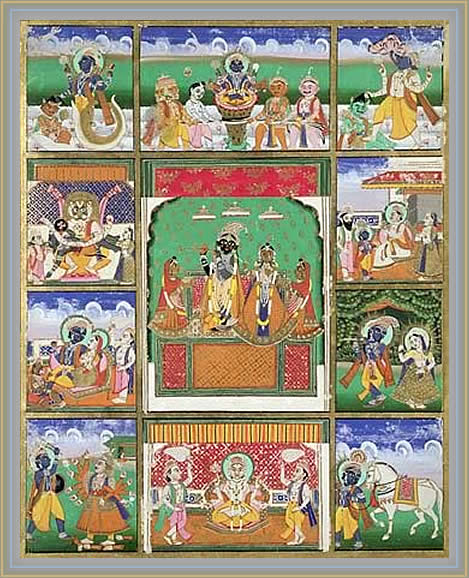
(18) In His fish incarnation
[Matsya] He protected
Vaivasvata Manu [Satyavrata], the planet earth, and the herbs
during the deluge. In His boar incarnation [Varâha] He delivered the
earth from the waters and killed the demoniac
son of
Diti [Hiranyâksha]. In the form of a tortoise [Kurma] He held the mountain
[Mandara] upon
His back with
which the nectar was churned. He [in His transcendental
form, Vishnu] freed the king of the elephants [Gajendra] who in his distress surrendered to Him because of the
crocodile.
(19) He delivered the
ascetic sages [the tiny Vâlakhilyas] offering prayers, who
had fallen [into the water of a cow's hoof
print]. He
delivered Indra
from being absorbed in darkness after he had
killed Vritrâsura. He delivered the wives
of the demigods who were helplessly imprisoned in the asura
palace [by
Bhaumâsura]. He in the form of
Nrisimhadeva killed Hiranyakas'ipu, the Asura king, in
order to free the saintly devotees from fear. (20) As Lord Vâmana He, on
the preText_of charity, took the earth away from Bali and gave her to the
sons of Aditi. By His various
appearances [the ams'a-avatâras] He during the reign of
each Manu protects
the worlds. For the sake of the
God-fearing souls He [seated on Garuda thus
also] killed the Daitya leaders in a battle
between the gods and demons [see 8.10]. (21) As Lord
Paras'urâma He rid the earth of the members of the
ruling class and destroyed, as the fire that He
descending from Bhrigu was, twenty-seven times the dynasty
of Haihaya. As the husband of
Sîtâ [Râmacandra] He subdued the ocean
and killed on
Lankâ Ten-head [Râvana] along with his
soldiers. When one tells the stories about the
glories of Him who is always victorious, the
contamination of the entire world is annihilated. (22) The Unborn Lord will
take His birth [as Krishna] in the Yadu dynasty
and will, in order to diminish the burden of the
earth, perform deeds that are even hard to
perform for the demigods. At the end of Kali-yuga
He [as
the Buddha] with speculative arguments will
bewilder those who perform their sacrifices
apart from Him [or the traditions]. He [as Lord
Kalki] will finally put an end to all low-class
rulers.
Chapter
5: Nârada
Concludes
His
Teachings to Vasudeva
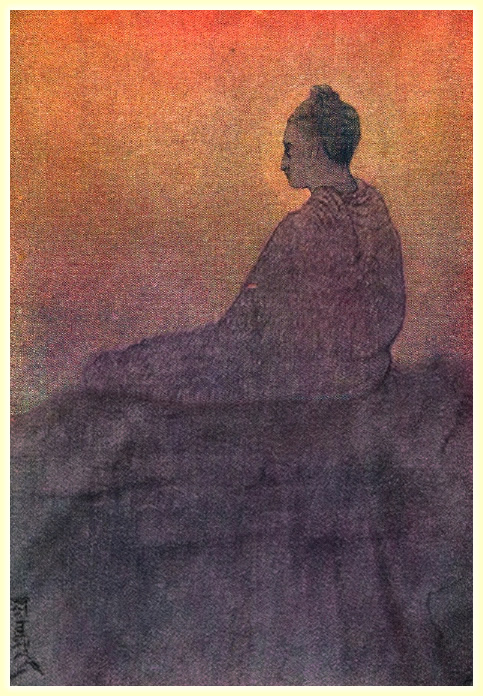
(13) It is enjoined that
wine should be accepted by smelling it and
that likewise an animal should be killed as
prescribed and not by hurting it [the 'wrong'
violent way]. Sexual intercourse the same way is there to beget
children and not so much for sensual pleasure
[B.G. 7:
11]. For this purest fulfillment of
duty according to the rules they [the less
intelligent souls] have no understanding.
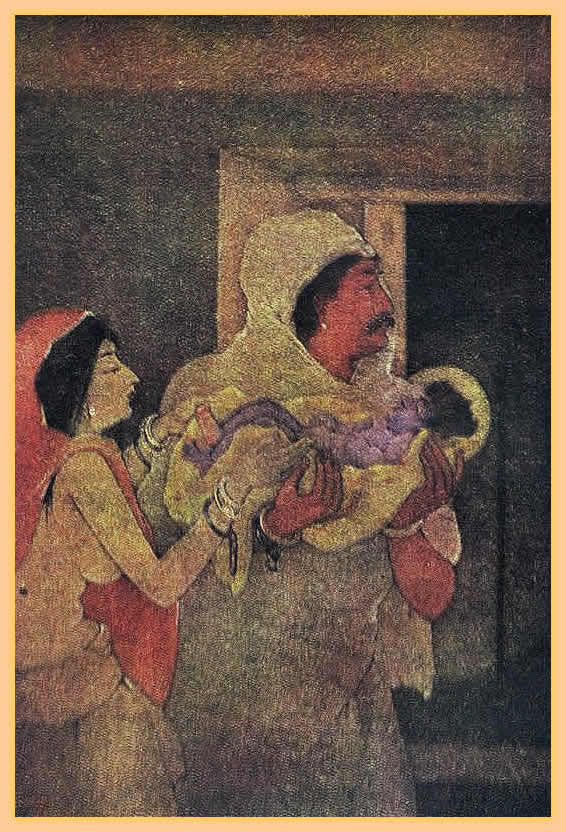
(34) Oh
Supreme Personality let me honor Your lotus
feet, for You fixed in dharma abandoned upon
the words of a brahmin [like Akrûra, S'rî Advaita] the so hard to
forsake and by the demigods anxiously desired, opulence of S'rî, oh
You who,
being of mercy for those caught in
animal nature, [as Râma, Krishna, the Buddha,
as Caitanya etc.] went to the distant land [of
India, the wilderness, the forest, the desert,
into sannyâsa] to pursue Your desired
purpose [Your mission, Your dharma, Your
presence as the Lord of the devotees, 4*].'
Chapter
6: Retirement
on the Advise of Brahmâ
and Uddhava Addressed in Private
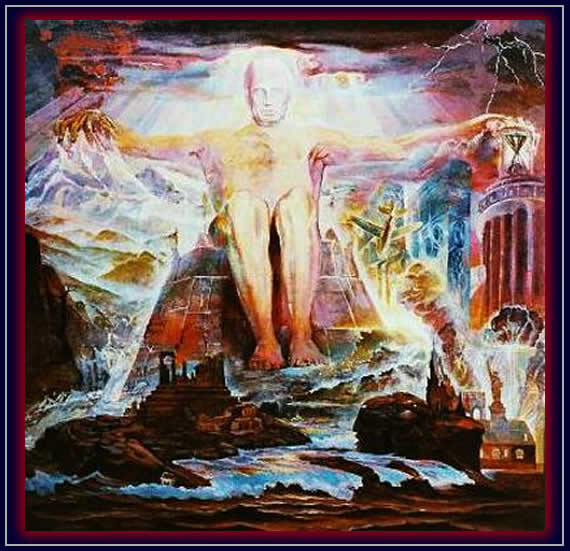
(15) You are the cause of the creation,
maintenance and annihilation of this
[universe]. You are the cause of the unseen,
of the individual soul and of the complete
whole of the manifest reality. They say that
You, this very same personality, are the time
factor controlling all, who appears as a wheel
divided in three [summer, winter and
spring/autumn]. One says that You are the
Supreme Personality who, in the form of Time,
uninterrupted in Your flow effects the decay
of everything [*].
Chapter
7: Krishna
Speaks about the Masters of the Avadhûta
and the Pigeon of Attachment
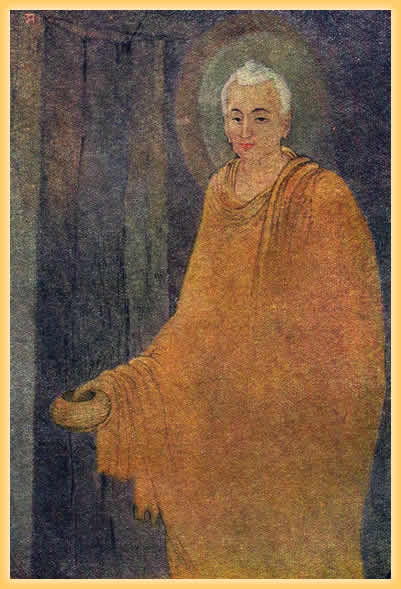
(33-35) The
earth, the air, the sky, the water, the fire, the
moon and the sun, the pigeon, the python, the sea,
the moth, the honeybee and the elephant, the honey
thief, the deer, the fish, the prostitute
[Pingalâ], the osprey and the child, the girl, the
arrow maker, the serpent, the spider and the wasp,
are my twenty-four spiritual masters, oh King.
From studying their actions I in this life have
learned everything about the Self.
Chapter
8: What
One Learns from Nature
and the Story of Pingalâ
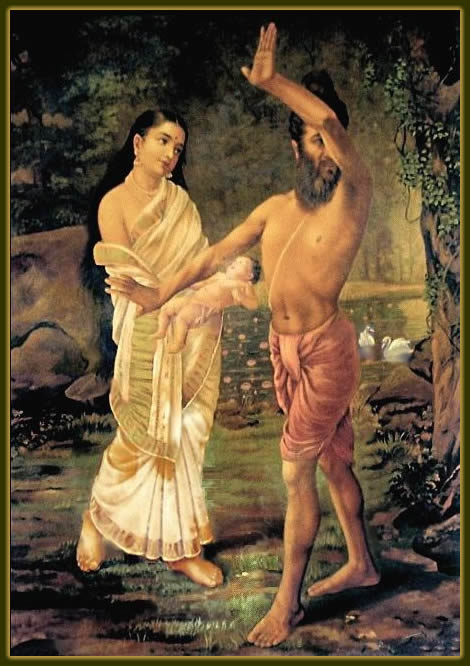
(7) When someone who did not
conquer his senses, sees a woman, he is tempted
by that seductive illusory energy of the Lord
and lands
in darkness, just like a moth lands in the fire. (8) Upon seeing the by mâyâ produced clothing,
golden ornaments and so on of the women, a person lacking in
discrimination will, with his desire for
sense-gratification, feel aroused by lusty
desires and no doubt lose his spiritual
bearings,
just like a moth is destroyed [B.G. 2: 62-63].
For copyright notices
concerning the individual images
please
look at the bottom of the chapter they
belong to.
|